Earthwork That Shapes Property for Use
Excavation & Grading in Saint Cloud for properties requiring soil movement, leveling, or terrain shaping
Central Florida's sandy soils and seasonal rainfall create drainage challenges and uneven terrain that affect construction, landscaping, and long-term property usability. Excavation and grading are complementary earthwork services that move, shape, level, and prepare soil so properties function as intended—excavation digs trenches, removes material, or creates depressions for utilities, retention, or foundations, while grading reshapes surface contours to establish drainage flow, level building pads, or smooth access routes. Fritzy L.E.R LLC provides excavation and grading in Orlando for residential and commercial customers whose properties require earthwork to support construction, improve drainage, or prepare sites for intended use after clearing.
Both services typically follow vegetation removal, since clearing exposes existing terrain and removes roots and stumps that interfere with blade work. Excavation may involve digging utility trenches for water, sewer, or electrical lines, creating foundation footings, removing unsuitable fill material, or establishing retention ponds and swales for stormwater management. Grading adjusts surface elevations to direct water away from structures, create level pads for buildings or parking, smooth driveways and access roads, or establish slopes that prevent pooling and erosion.
Schedule a project assessment to evaluate site conditions, existing terrain, and earthwork requirements for your property.
The two services address different needs but often overlap in site preparation projects—excavation digs or removes, grading spreads and levels. Heavy clay layers beneath sandy topsoil may require excavation to reach suitable bearing material for construction, while grading redistributes excavated material to build up low areas or create positive drainage away from structures. Equipment selection depends on soil type, depth requirements, and access—tracked excavators dig and load material, bulldozers push and spread, and graders fine-tune surface elevations to engineering specifications.
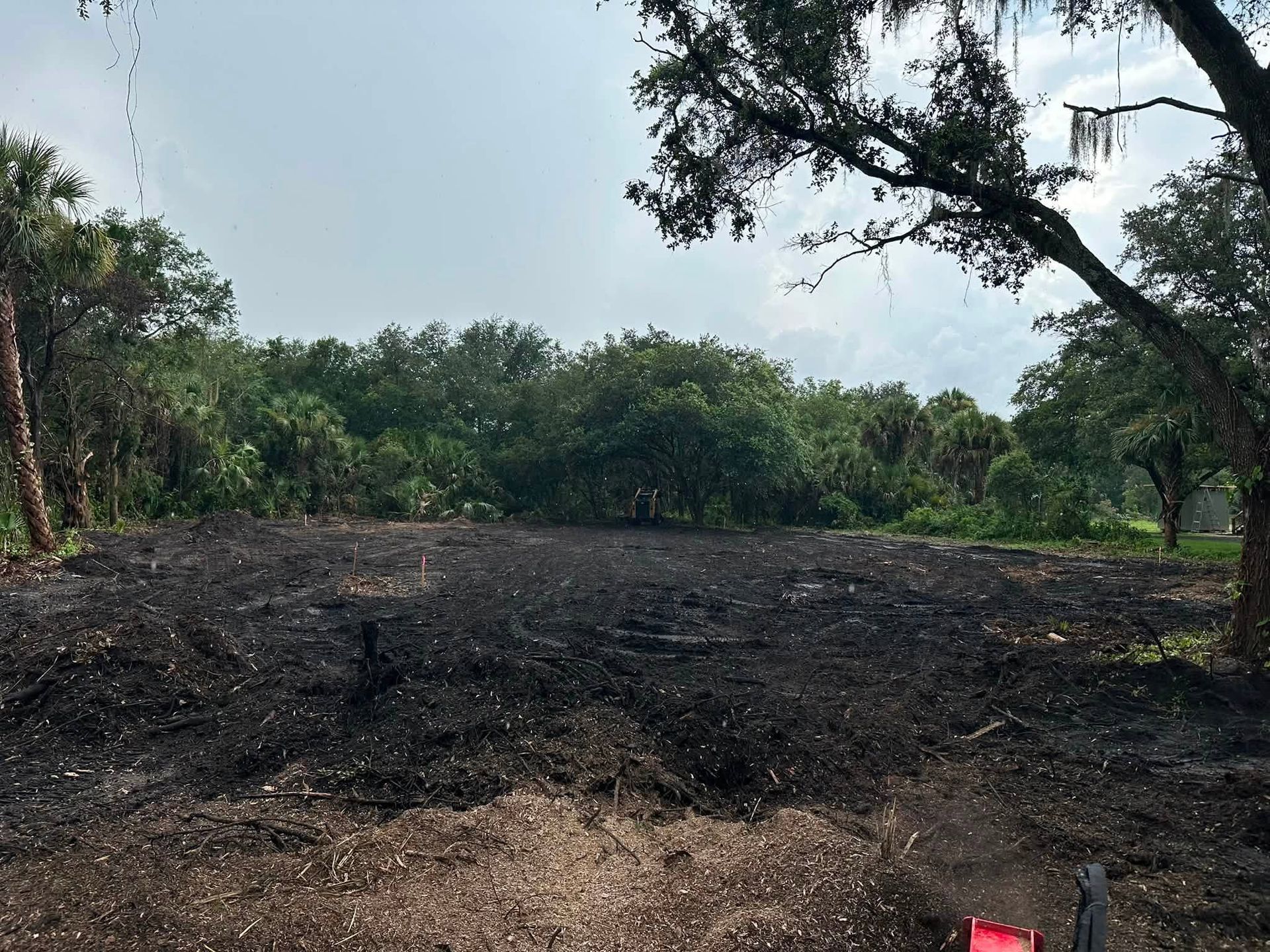
After earthwork is complete, you see level building pads ready for foundation or slab work, visible drainage paths that direct runoff toward retention features or away from structures, and compacted access routes that support construction traffic without rutting. Water no longer pools in low spots after rain, and soil grades slope predictably so future landscaping, paving, or construction proceeds without fighting uneven or unstable ground.
Excavation and grading don't include foundation construction, utility installation, or paving—they prepare the ground so those trades can work efficiently. Some projects require fill material to raise elevations or build up eroded areas, while others involve hauling excess soil off-site when excavation volumes exceed what grading can redistribute. Final grading often happens after construction to smooth areas disturbed by equipment and establish finish-grade elevations for landscaping or sod installation.
What Property Owners Usually Ask
Earthwork projects depend heavily on site-specific conditions, so understanding how soil type, drainage needs, and project scope affect timelines and methods helps property owners plan accurately.
What site conditions affect excavation and grading costs?
Soil type, depth requirements, existing grades, access limitations, and whether material stays on-site or gets hauled all influence project scope—properties with heavy clay, high water tables, or limited equipment access take longer and may require specialized equipment.
How does grading address drainage problems common in Saint Cloud?
Grading establishes slopes that direct water away from structures toward retention areas, swales, or drainage exits, preventing pooling that causes erosion, foundation issues, or standing water, and sandy soils here drain faster than clay once proper grades are established.
Does excavation always require hauling soil off-site?
Not always—grading often redistributes excavated material to build up low areas or create berms, but projects that dig deep foundations, large retention ponds, or utility corridors may produce more material than the site can absorb, requiring hauling to maintain proper finish grades.
When should excavation and grading happen during site development?
Earthwork follows clearing and precedes construction so building pads, drainage features, and access routes are ready before contractors mobilize, and final grading typically happens after construction to smooth disturbed areas and establish finish elevations.
What's included in grading versus what requires additional services?
Grading moves and shapes soil but doesn't include paving, sod installation, foundation work, or utility installation—those trades require graded surfaces as starting points, and coordinating earthwork with follow-on services prevents rework and project delays.
Fritzy L.E.R LLC provides excavation and grading services for residential and commercial properties in Saint Cloud and Central Florida, with equipment and methods tailored to site conditions and project objectives. Request a detailed estimate based on your property's terrain and earthwork needs.