Dense Growth Removed for Access and Use
Brush Clearing in Saint Cloud for properties where vegetation blocks access, sight lines, or planned improvements
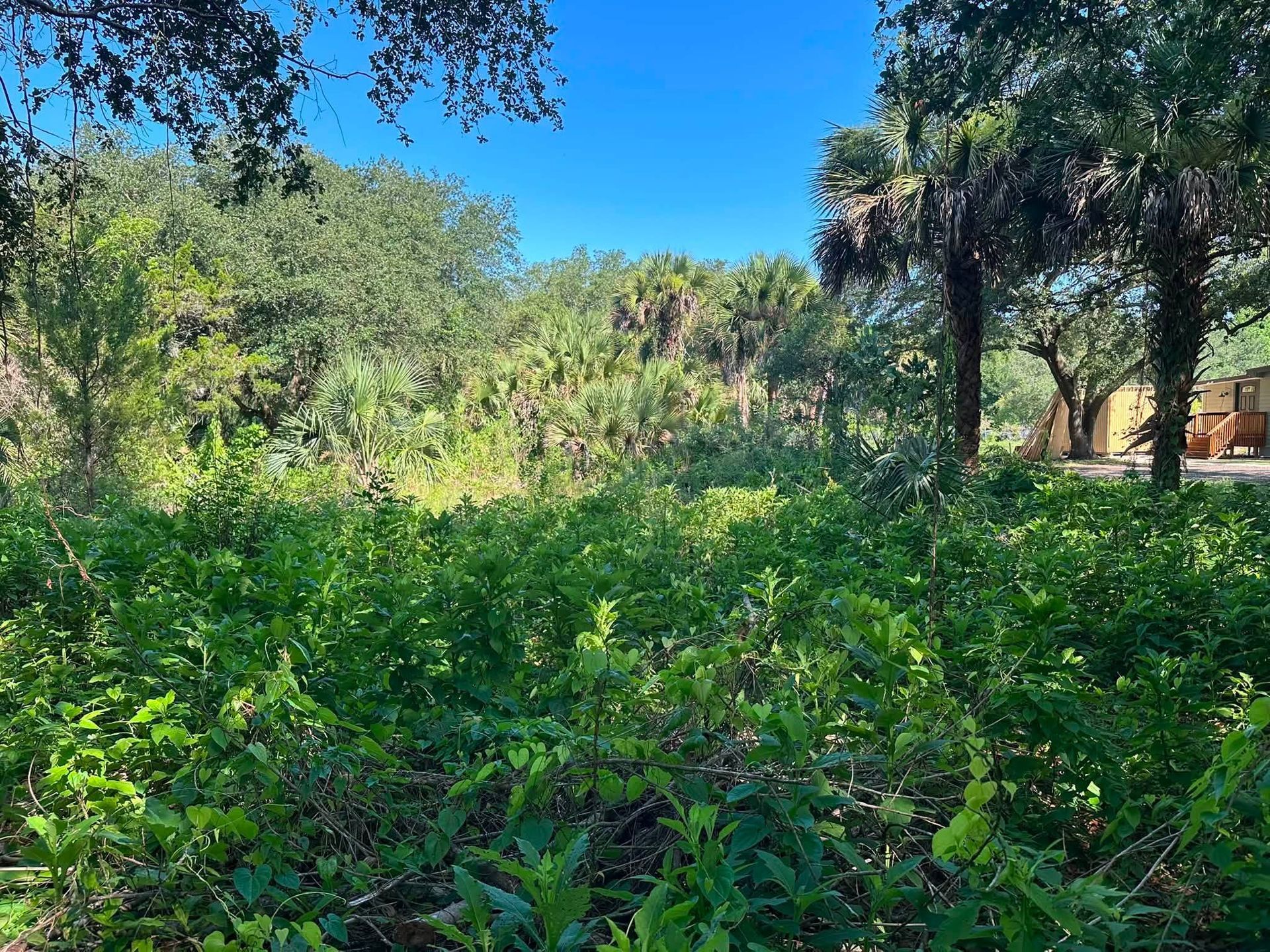
Dense brush and invasive vegetation accumulate quickly in Central Florida's climate, creating barriers that prevent access, obscure property lines, and make land unusable for maintenance or development. Fritzy L.E.R LLC handles brush clearing to remove or manage unwanted growth without necessarily clearing the entire property to bare ground. You see the difference between brush clearing and full land clearing in scope—brush clearing targets understory vegetation, thickets, vines, and small volunteer trees while often leaving mature tree canopy intact, making it the right approach when you need to open access routes, restore visibility, prepare for fencing, or create usable outdoor areas without removing every tree on the property.
Vegetation density and site conditions determine how the work proceeds—light to moderate brush responds to manual cutting and removal, while thick palmetto stands, Brazilian pepper, or tangled vine growth often require forestry mulching equipment that grinds material into ground cover. Projects may extend into fence line clearing when brush obstructs planned or existing fence routes, connect with tree removal if small growth has matured into obstacles, or combine with debris removal when material needs to be hauled off-site rather than mulched in place.
Request a property evaluation to assess vegetation density, access needs, and clearing objectives for your site.
The goal isn't always complete vegetation removal—many residential and commercial properties benefit from selective clearing that removes problem growth while preserving desirable trees, natural screening, or shaded areas. Forestry mulching equipment processes brush into mulch that stays on-site, decomposing into organic matter that enriches soil and suppresses weed regrowth more effectively than bare dirt. This method works well for properties where erosion control matters or where you want a natural, park-like appearance rather than a construction-ready blank slate.
Once clearing is complete, you notice walkable paths where dense thickets previously blocked movement, visible property boundaries that were hidden by overgrowth, and clear sight lines to evaluate terrain or plan future improvements. Equipment and vehicles can access areas that were impassable before, and maintenance tasks like mowing, fencing, or planting become feasible without constantly battling encroaching brush.
Brush clearing also reduces fire risk by removing dry, dead vegetation that accumulates during Central Florida's dry season and eliminates habitat for snakes, rodents, and insects that thrive in dense cover. Properties near structures or recreational areas become safer and more usable without sacrificing all tree coverage or natural features that provide shade, privacy, or aesthetic value.
Common Questions About This Service
Understanding how brush clearing differs from other vegetation management services and what methods apply to your property helps clarify what to expect.
What qualifies as brush versus trees that need removal?
Brush typically includes vegetation under four inches in diameter—shrubs, vines, saplings, palmetto, and dense undergrowth—while anything larger may require tree removal equipment, though the distinction depends on density, root structure, and whether you're clearing for access or full site preparation.
How does forestry mulching differ from cutting and hauling?
Mulching grinds vegetation in place using a drum with carbide teeth, leaving shredded material on the ground to decompose and control erosion, while cutting and hauling removes material off-site, which costs more but delivers a cleaner appearance and may be required if you're preparing for immediate construction or grading.
Does brush clearing prevent regrowth?
Clearing removes existing growth, but without follow-up maintenance or mulch suppression, many species resprout from root systems—ongoing management or herbicide treatment may be needed if permanent control is the goal rather than temporary access.
When is the best time to clear brush in Saint Cloud?
Drier months from late fall through early spring allow easier equipment access and reduce soil compaction, though clearing can happen year-round depending on urgency, and wet-season work may require tracked equipment to avoid getting stuck in saturated ground.
Can brush clearing prepare property for other services?
Yes—clearing often precedes fence installation by opening obstructed fence lines, supports tree removal by providing equipment access to larger growth, and creates workable conditions for grading, landscaping, or site preparation tasks that require unobstructed ground.
Fritzy L.E.R LLC provides brush clearing for residential and commercial properties in Saint Cloud and Central Florida, with methods tailored to vegetation type and site objectives. Schedule a consultation to review your property's brush density and clearing needs.